Entry · Ref QPPC3WRT
Why a Licensed Plumber Matters for Permit-Required Work in Honolulu
- Posted
- 2026-10-01
- Last amended
- 2026-10-01
- Account
- @johnathanuthn493
Permit-required plumbing work is not the place to gamble on shortcuts. In Honolulu, that point is not just a matter of workmanship or personal preference. It is built into how the work is regulated, who is allowed to perform it, and how compliance is checked. When a project requires a plumbing permit, hiring a licensed plumber is not https://troyhrdj343.opalvector.com/posts/emergency-plumber-choices-and-hawaii-license-verification-2 a nice extra. It is the baseline for doing the job legally and responsibly.
That matters to homeowners, property managers, and business owners for a simple reason. Plumbing work often disappears behind walls, under slabs, above ceilings, and inside utility spaces. Once it is covered, the quality of the work is no longer obvious. What remains obvious are the consequences when something goes wrong: a leak that shows up weeks later, a water heater issue that should have been caught earlier, a permit problem that stalls a remodel, or an inspection failure that forces rework at the worst possible time.
Honolulu has a lot of moving parts when it comes to building work. Plumbing, electrical, mechanical, and structural scopes often overlap. In that setting, licensed trades are not there to make a project feel more formal. They exist because permit work has standards, inspections, and legal requirements attached to it. If you are planning plumbing work that needs a permit, or you are trying to sort out whether a contractor is qualified to perform it, understanding the role of a licensed plumber can save money, time, and a fair amount of stress.
The legal line is clearer than many people think
One of the biggest misunderstandings in residential and commercial work is the idea that licensing only matters for large jobs. Hawaii’s Department of Commerce and Consumer Affairs advises consumers to hire a licensed contractor for projects over $1,500 in labor and materials or for any project that requires a building, electrical, or plumbing permit. That second part is the key. Once a permit is required, the discussion changes. The job is no longer just about whether someone says they can handle it. It becomes a regulated activity.
Honolulu’s permitting guidance is equally direct. All electrical and plumbing work must be performed by contractors licensed by the State of Hawaii. The City and County of Honolulu Plumbing Code also makes clear that plumbing and drainage work authorized by permit is inspected for compliance. Those two facts work together. First, the person or business doing the work must hold the proper state license. Second, the work itself is subject to inspection under the applicable code.
That is why the phrase “I know a guy” can become expensive very quickly when permit-required work is involved. Plenty of people can swap a fixture, tighten a connection, or make a rough repair. That is not the same thing as performing plumbing work under permit in a way that satisfies legal requirements and inspection standards.
Licensing is not just a card, it is an accountability system
When people search for a plumber near me, they often start with availability, price, or whether the company can show up fast. Those are real concerns, especially if there is an urgent leak or a renovation schedule in motion. But with permit work, the more important question is whether the person performing the plumbing is legally qualified to do it.
In Hawaii, consumers can verify a plumber’s license status, expiration date, and disciplinary history through the state’s official license search tools. That matters more than many people realize. A license is not merely a marketing claim on a truck door or a website banner. It is something you can check. Verification gives a customer a way to confirm that the person they are hiring is currently authorized to perform the work and whether there has been disciplinary action in the past.
There is another layer here that often gets missed. The state advises that electrical and plumbing contractors must employ licensed electricians and plumbers to perform the actual electrical or plumbing work. That means a business name alone is not enough. The actual plumbing work must be carried out by licensed plumbers. For an owner, that distinction matters. A company may advertise broadly as a contractor, but when the project involves permit-required plumbing, the people doing that portion of the job need the proper credentials.
That framework creates accountability. If a project is permitted and inspected, the work is tied to a license, a regulated trade, and an enforceable standard. Without that chain, the owner carries more risk and has less protection.
Why permits change the stakes
Some plumbing tasks are straightforward to describe but not simple in their consequences. A water line adjustment during a remodel, a drainage modification, part of a sewer line repair, or a water heater replacement tied into broader building work can cross into permit territory depending on the project. Once a permit enters the picture, the work is no longer just a transaction between customer and contractor. It becomes part of the public regulatory process.
Inspections are central to that process. Honolulu’s plumbing code states that plumbing and drainage work authorized by permit is inspected for compliance. Inspection is more than a bureaucratic stop. It is the moment where workmanship, code interpretation, and installation details meet an independent review. If work is done incorrectly, the cost is not limited to the original mistake. It can mean opening finished surfaces, rescheduling other trades, and delaying occupancy or use of the space.
That is where a licensed plumber in Honolulu or a plumber Oahu property owners trust brings practical value. A licensed professional is working inside a system they are expected to understand. They know that permit work is not finished when the pipe is connected or the fixture is set. It is finished when the work complies.
For owners, this matters because permit issues have a habit of surfacing at inconvenient times. Sometimes that happens during inspection. Sometimes it comes up when another contractor takes over a project and notices inconsistencies. Sometimes it appears much later when property records, improvements, or repair histories are reviewed. Permit-required work has a paper trail, and licensed work stands up better under scrutiny.
Honolulu projects often bundle plumbing into bigger valuations
Another practical point is that plumbing does not always stand alone in permitting. Honolulu’s permitting FAQs note that permit valuation includes plumbing, heating, air conditioning, and other permanent work when fees are calculated. That may sound like a dry administrative detail, but it affects how owners should think about project scope.
A kitchen renovation, tenant improvement, or commercial build-out may feel like one job, but from a compliance standpoint it often contains several regulated trades. Plumbing is part of that larger valuation and review. If an owner treats plumbing like an informal side task inside a bigger project, problems can follow. The city does not see it that way, and neither do inspectors.
This is one reason experienced owners are careful about hiring a licensed commercial plumber for tenant spaces, mixed-use buildings, or business renovations where schedules and approvals matter. The plumbing portion may not be the most visible part of the work, but it is still part of the permitted permanent improvements that have to align with the rest of the project. When plumbing falls out of step, everything around it can be affected.
Current licensing and renewal standards are not static
Another reason a licensed plumber matters is that licensing is not a one-time milestone that lasts forever without oversight. Hawaii requires active-status licensed plumbers to show proof of continuing competency in the 2021 Uniform Plumbing Code for the current licensing period that runs from July 1, 2024 through June 30, 2027. That is an important fact because it speaks to ongoing expectations, not just past experience.
Owners do not need to become code experts to appreciate what this means. Plumbing code is technical, and permit-required work is judged against current requirements. Continuing competency requirements help tie active licensure to current code knowledge. That does not guarantee perfection on every job, of course, but it does mean the state expects active plumbers to stay engaged with the code they are working under.
Contractor licensing also renews on a schedule. Hawaii’s contractor renewal information states that contractor licenses renew by September 30 of every even-numbered year, with on-time renewal windows published for each period. For a customer, the lesson is simple. Do not assume a license claim is current. Verify it. A quick check can confirm status and expiration date, and that is especially important before permit-required work begins.
The hidden cost of using the wrong person
Price pressure leads many bad decisions in construction and repair. Plumbing is no exception. A lower bid or a quick verbal promise can look appealing, especially when a project is already over budget or a leak has created urgency. But permit-required work has a way of punishing false economy.
If work must be performed by a state-licensed contractor and the actual plumbing must be done by licensed plumbers, then using an unlicensed or improperly staffed provider introduces immediate risk. At best, the job may stall when documentation is reviewed. At worst, the work may need to be redone to move forward. That means paying twice, once for the original job and again for correction.
The problem is not only legal. It is operational. Plumbing work tends to be sequential. Framing, drywall, finishes, cabinetry, and occupancy timelines can all depend on it. A failed inspection or permit issue at the plumbing stage can ripple through the rest of a project. Anyone who has watched one trade wait on another knows how quickly lost time turns into added cost.
This is also where consumers can get misled by search language. Someone looking for an emergency plumber may be focused on stopping immediate damage, which is understandable. In an emergency, speed matters. But when the repair grows into permit-required replacement or reconstruction, urgency does not cancel licensing requirements. Fast response is valuable. Proper qualifications are nonnegotiable.
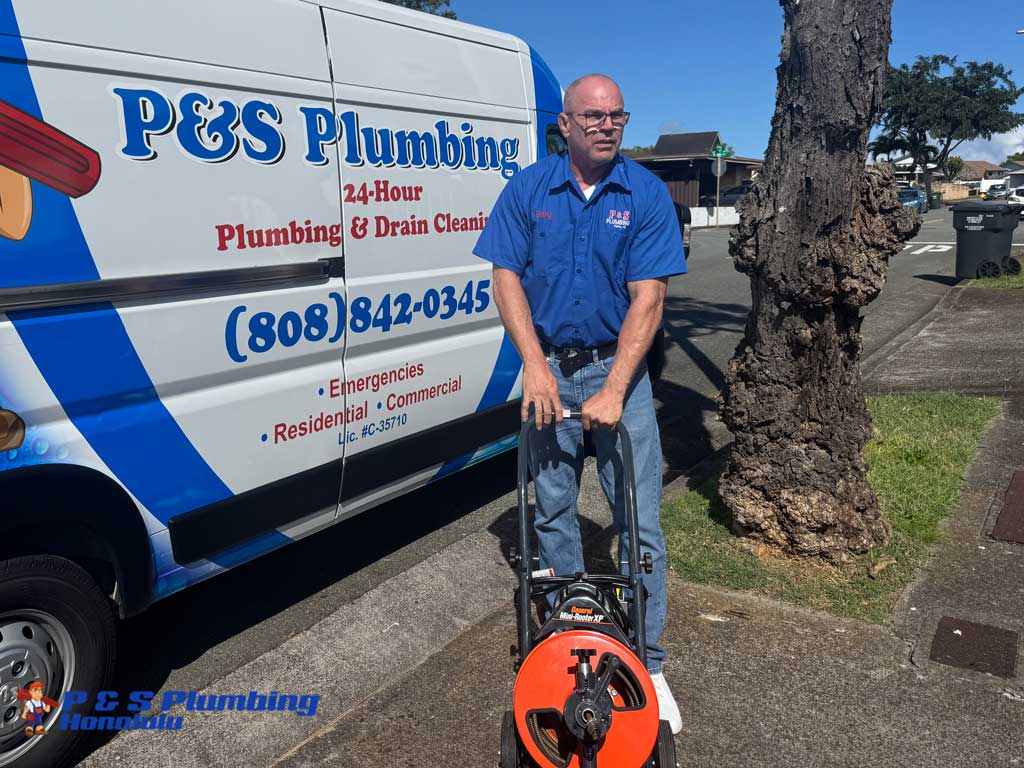
Water heaters, leaks, and the difference between a quick fix and a compliant repair
Not every plumbing service call turns into permit work, but many begin with symptoms that deserve careful evaluation. A water heater leak, unexplained moisture, corrosion around connections, or recurring water issues can start as a maintenance concern and develop into a larger repair decision. The Environmental Protection Agency’s WaterSense program recommends regularly inspecting water heaters for leaks, loose connections, corrosion, and other issues. It also notes that leak-detection and flow-monitoring devices can help reduce water waste.
That advice fits neatly into the broader point about licensed plumbing work. Good maintenance and early leak detection can reduce the chance that small issues become large ones. But once a repair crosses into permit-required territory, the standards change. The owner needs a licensed plumber who can perform the work under the applicable rules and through the proper channels.
That distinction comes up often with water heater repair decisions. Sometimes a unit has a minor issue. Sometimes the condition points to a larger replacement question. Sometimes the repair is tied into broader plumbing alterations. The homeowner may not know where that line is, and frankly, they should not have to guess. What matters is having a qualified professional who understands when a call remains a routine repair and when it becomes work that belongs inside the permit framework.
The same logic applies to leak detection. Devices and monitoring tools can be useful for reducing waste and spotting trouble early. They do not replace a licensed professional when permit-regulated plumbing work is necessary. A sensor can alert you to a problem. It cannot lawfully perform the repair.
Drain and sewer problems bring their own kind of risk
Drain cleaning and sewer line repair are two categories where customers often focus on the immediate symptom. The sink backs up. The line slows down. The drain stops working. The building owner wants the problem gone and wants it gone now. That reaction is understandable, but these cases can be deceptively complex.
A simple stoppage is one thing. Work that affects permitted plumbing or drainage systems is another. Honolulu’s plumbing code addresses plumbing and drainage work authorized by permit, and that work is inspected for compliance. Once a drainage issue moves into alteration, replacement, or other permit-required activity, a licensed plumber is not optional.

This is especially important for larger buildings and commercial settings. A commercial plumber working in a restaurant, retail space, office, or multi-tenant property is often operating inside a web of scheduling, inspections, tenant concerns, and project coordination. A drain problem may look isolated on the surface, but the permanent repair can affect broader building systems and occupancy plans. In those cases, the licensed trade is part of protecting the owner from downstream complications, not just restoring flow.
What a careful owner should actually verify
For permit-related plumbing work, due diligence does not need to be complicated, but it should be deliberate. Before hiring, an owner should confirm that the plumber’s license status is active, check the expiration date, and review whether there is any disciplinary history using the state’s official tools. If a company is acting as the contractor, the owner should also be satisfied that licensed plumbers are performing the actual plumbing work, because that is what Hawaii requires.
That process may feel formal for a repair or remodel, but it is far cheaper than discovering a licensing problem after work has begun. In practice, verification is one of the simplest protective steps a customer can take. It brings clarity early, when changing course is still easy.
It also helps when comparing bids. Two proposals can look similar on price and scope while being very different in terms of compliance. One may reflect proper staffing, licensing, and readiness for permit-required work. The other may rely on assumptions that do not hold up once paperwork and inspection enter the picture. Without verification, the cheaper number can be misleading.
Why this matters even more for business owners
Business owners and property managers usually feel permit trouble more sharply than homeowners because delays hit revenue, tenants, and operations. A residential owner may be inconvenienced by a stalled bathroom project. A business may lose use of a space, miss an opening date, or disrupt tenant commitments. That is why a licensed commercial plumber is often part of risk management as much as construction management.
Commercial work tends to involve more coordination, more documentation, and more people relying on the same schedule. Plumbing permit issues in that environment can affect landlords, tenants, inspectors, general contractors, and neighboring trades. The value of a licensed professional is not just technical installation. It is the ability to work within a regulated process where mistakes have broader consequences.
Even when an owner starts with a search for a plumber Honolulu residents recommend or a plumber Oahu businesses have used before, the final hiring decision should still come back to licensing and verification. Reputation matters. So does responsiveness. Neither replaces compliance.

The practical bottom line
Permit-required plumbing work in Honolulu sits at the intersection of law, code, inspection, and workmanship. Hawaii requires licensed contractors for projects over $1,500 in labor and materials or for any project needing a plumbing permit. Honolulu requires that plumbing work be performed by contractors licensed by the State of Hawaii, and permitted plumbing and drainage work is inspected for compliance. Hawaii also expects licensed plumbers on active status to demonstrate continuing competency in the current Uniform Plumbing Code for the present licensing period.
Taken together, those facts answer the question of why a licensed plumber matters. It matters because permit work is regulated. It matters because the actual plumbing work must be done by licensed plumbers. It matters because inspections do not care about good intentions, only compliant work. And it matters because consumers have a way to verify license status, expiration, and disciplinary history before they hire.
When the job is permit-related, a licensed plumber is not just the safe choice or the professional choice. In Honolulu, it is the choice that aligns with how the work is supposed to be done.